Cobalt

Cobalt was an unpublished project I worked on for several months at Robot Entertainment. It had a team of approximately 30 developers and was created in the Unreal 4 game engine. While I cannot give details on the gameplay of the project itself, I am allowed to talk about the gameplay systems I worked on during the project’s lifetime. These include: Camera, Movement, (Context-sensitive) Player Input, and Character Vanity.

I worked on creating a camera system that could easily toggle between first and third person view modes, as well as dynamically update the FOV without warping first person art assets. The movement system was tied to the input system to handle these changes.

The player input system was built on top of Unreal 4’s current input system to allow for designers to easily dictate which groups of input were valid at any given point, thus allowing for them to multimap buttons on the controller without having to set up the filter logic themselves. I have copies of the documentation I wrote up detailing the technical specs of the system (here) as well as detailing how the system works in practice (here).

Character vanity was not fully completed before the project was shut down, but I had begun planning/implementing it. A copy of the documentation for my vanity implementation plan can be found here.

All documentation shared has been done so with permission from Robot Entertainment, Inc.

robot

Orcs Must Die! Unchained

Orcs Must Die! Unchained (OMDU) is an online multiplayer action/tower defense game. It is available on PC through Steam and as a standalone from Robot (here) in the U.S. and Europe. It is also available in both of those regions on the PS4. Tencent also publishes OMDU in China. It is a free-to-play game that allows parties of 1 to 3 people to enjoy multiple game modes, all centered around a fun, tower defense core.

I was on this project for just over two years. During that time, I worked closely with a couple of designers on mercenary AI behavior and pathing. I also worked closely with them on heroes, designing and implementing supporting gameplay systems for the design team to utilize. Another section of the code base I worked in heavily was the Trap System (a large component of the tower defense game aspect), revising and reorganizing it throughout my time on the project. I also gained some experience working on collision and volume systems.

This game was developed with two separate game engines, Unreal 3 and Unity. I was on the team that worked solely in Unreal 3.

Contact Calendar

Contact Calendar is an Android app that allows users to set reminders that are linked to contacts on their device. When the reminder goes off, the user is then presented with one-touch contact options straight from their device. Great for recurring reminders, such as birthdays or daily check-ins, Contact Calendar supports phone calls, text messaging, and email.

It was a solo project and the app was developed purely in Java, using the Android SDK. Contact Calendar was previously available on the Google Play Store, but it has been decommissioned since the latest Android OS patch brought compatibility issues. This was my first project taken all the way from design to publish when I began freelancing/indie development.

Over the course of the project, I gained a good amount of experience in UI/UX in a mobile environment.

Pad Defender

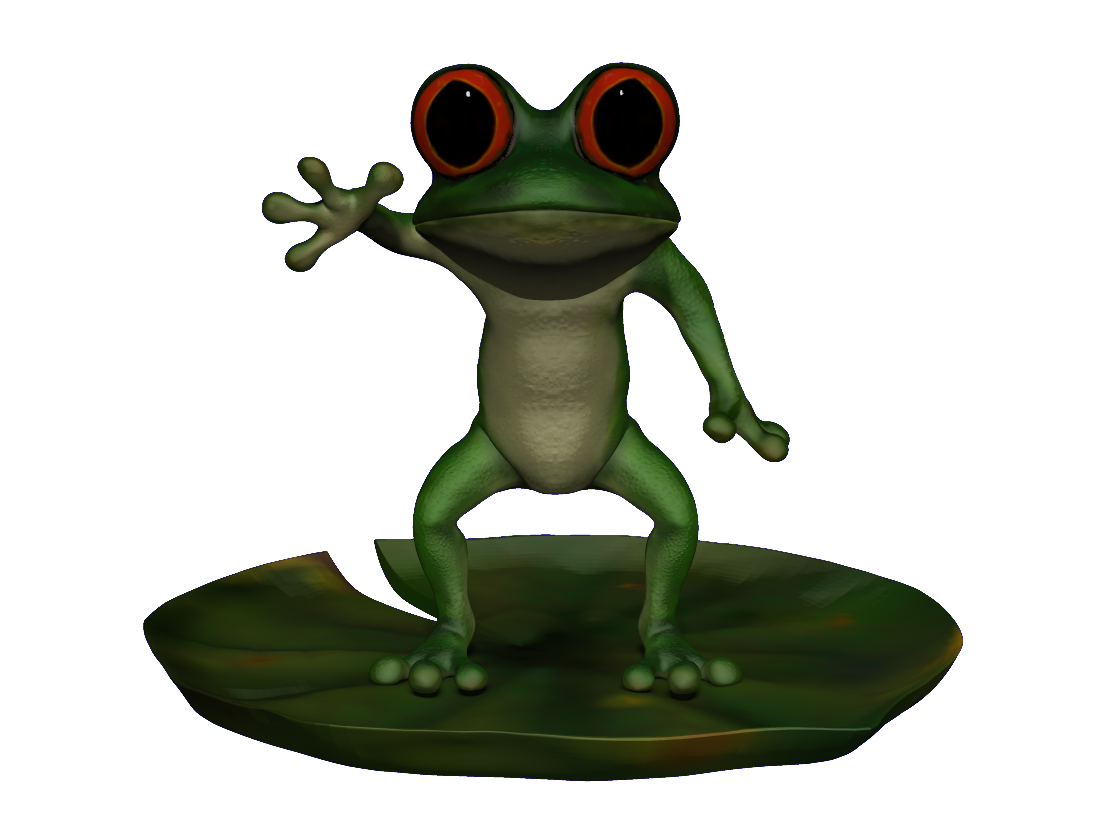
Pad Defender is a game that aims to teach elementary and middle school-aged children to type quickly and accurately, while having fun along the way! Unleash the power of Frog Fu to save your swamp from invaders and go on a journey to discover where they came from. An installer for the desktop demo of Pad Defender (with the first two levels) is available to download here.

Pad Defender

This demo was developed by a 3-person team over a 6 month period. The group consisted of a Project Manager, Joshua Segatto, a Graphic Artist, Tim Chappell, and myself as the programmer. Pad Defender was developed in the Unity game engine. The primary language used was Unity script (javascript) with a third-party C# library integrated into the code base.

During the project, I gained my first experience setting up basic enemy AI behaviors and pathing. I also learned a lot about managing player input (for the typing portion) and file output (for saving games). I began learning UI/UX on this project, as well as a good process for designing and implementing interconnected gameplay systems.